

DSTV Extra View installation in Cape Town can be budgeted at approximately R800 to R2,000 for a typical setup, although a basic connection using existing compatible equipment may cost less, while decoder purchases, dish replacement and complex cabling can increase the total. This is an indicative planning range rather than a fixed 2026 tariff, so the final price should follow an assessment of your equipment and property.
Extra View gives households a practical way to enjoy different programmes in separate rooms. Instead of everyone sharing the lounge television, family members can have their own viewing choices through linked, compatible decoders.
However, comparing installation prices involves more than looking at the lowest advertised amount. One quotation may cover labour only, while another includes cables, connectors, equipment upgrades and testing. Monthly subscription charges are also separate from the physical installation.
This guide explains the main costs, equipment considerations and quotation details to help you plan your DSTV Extra View installation in Cape Town in 2026.
DSTV Extra View Installation Prices in Cape Town
There is no single installation price that applies to every Cape Town home. The condition of the existing system, the number of viewing rooms and the equipment required all influence the quotation.
An installation that reuses a working dish and compatible decoders involves a different scope from a project requiring new hardware and cables to several rooms.
Use the following table to understand how the work affects your budget.
Installation scenario | Indicative budget position | Important exclusions to check |
Basic linking with compatible equipment already installed | May fall below the typical R800 to R2,000 range | Call-out, replacement connectors, fault finding and activation assistance |
Typical Extra View installation with additional cabling and configuration | Approximately R800 to R2,000 as a planning allowance | Decoder purchases, extensive cable runs and major dish repairs |
Installation requiring an LNB upgrade or substantial rewiring | May reach or exceed the upper end of the typical range | Exact equipment model, cable allowance and roof access |
Three-decoder installation | Obtain a quotation for the complete decoder combination | Additional hardware, extra cable routes and monthly access charges |
New system requiring decoders, dish and installation | Obtain a complete equipment-and-labour quotation | Subscription fees, optional accessories and non-standard building work |
These figures are budgeting guidance, not a published price list for our business. Request a written quotation that identifies the equipment supplied, labour included and any conditions that could change the total.
A useful comparison is the completed cost of achieving your intended viewing arrangement. A low starting price offers limited value if essential work is added only after the technician arrives.
Understanding Extra View and Independent Viewing
Extra View, officially called XtraView, allows compatible DSTV decoders to operate together under one subscription, with applicable access fees. DSTV describes the service as supporting two or three linked decoders.

The main benefit is independent viewing. For example, one person can watch sport in the lounge while another watches a different available channel in the bedroom.
This differs from distributing the picture from one decoder to several televisions. A shared picture arrangement displays the same programme on the connected screens, whereas Extra View uses linked decoders to provide separate viewing choices.
Be clear about your goal when requesting a quotation. Explain the number of rooms, the number of televisions and whether viewers need to change channels independently.
That information helps prevent a misunderstanding between an additional television connection and a complete Extra View installation.
Main Factors That Affect the Installation Cost
Existing equipment condition
A working installation can provide a useful starting point, but existing equipment should be checked before it is reused.
Visible damage, loose connections or unreliable reception may require attention before another decoder is added. Otherwise, the new viewing point could inherit problems that were already present.
Ask the installer to explain which components can remain and why any replacements are necessary. An equipment assessment should support the quotation rather than automatically lead to replacing everything.
Number of viewing rooms
Adding one nearby room generally involves a smaller project than connecting viewing areas on different floors.
Each additional location creates decisions about cable routing, decoder placement, power availability and the connection to the television. Planning these positions before installation helps establish a more accurate scope.
Provide photographs or a simple description of the rooms when asking for an initial estimate.
Decoder combination
The exact decoder models matter. Descriptions such as “old decoder” or “HD decoder” may not provide enough information to confirm the intended arrangement.
Record the model information from each decoder and send it with your enquiry. Include any decoder you intend to buy, rather than assuming it will work with the equipment already installed.
Compatibility checks are especially important when mixing generations of equipment.
Cable length and routing
Two installations with the same number of decoders can require very different amounts of work.
A cable route through an accessible ceiling differs from a route around an exterior wall, between floors or through finished rooms where cables need to be concealed.
Discuss the appearance of the completed installation before accepting the quote. Surface-mounted cable, trunking and concealed routes may involve different materials and labour.
Access to the dish
The location of the satellite dish can affect the work required. A dish on an accessible wall presents different access conditions from one mounted high above a difficult roofline.
Tell the installer about double-storey sections, restricted entrances and any limitations on access. This helps the technician prepare and reduces the chance of the quotation changing because important property details were missing.
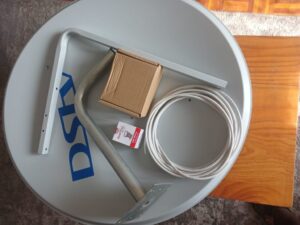
Equipment to Assess Before Adding Another Decoder
An Extra View quotation should reflect the complete system rather than focus only on the additional decoder.
The installer should establish whether the current dish arrangement, receiving equipment and cables are suitable for the proposed installation. The correct approach depends on the decoder models and the existing signal distribution system.
Avoid buying accessories solely because they appear in a generic online installation diagram. A component that suits one decoder combination may not be appropriate for another.
The television connection also deserves attention. Confirm that the decoder can connect to the intended television and that suitable cables are available. Check that there is a practical place for the decoder with ventilation and access to power.
If you already own spare equipment, show it to the installer before purchasing replacements. Reusing suitable components can reduce unnecessary spending, but suitability should be confirmed first.
Once-Off Installation Costs and Monthly DSTV Charges
The installation payment and the monthly DSTV bill cover different things.
The installer’s quotation normally concerns physical work and any supplied equipment. Your DSTV account covers the subscription and applicable service charges.
DSTV’s published combination guide lists a subscription plus one access fee for its listed two-decoder arrangements. Its listed three-decoder combinations carry a subscription plus two access fees. The guide also specifies an Explora as the primary decoder for those three-decoder combinations.
Confirm the current rand amount directly with DSTV before proceeding. Older online articles may contain historical access fees that do not reflect the amount payable on your account in 2026.
Keep these two budgets separate:
- Upfront budget: installation labour, equipment, cables and approved repairs.
- Ongoing budget: the subscription and applicable monthly access fees.
Ask whether activation assistance is included in the installation service. Assistance with linking decoders does not mean that future monthly account charges are included in the installation price.
Details That Should Appear in an Extra View Quotation
A clear quotation makes it easier to compare installers and understand what you are purchasing.
The scope should describe the intended result, including the number of linked decoders and viewing rooms. It should also identify the equipment being supplied rather than using an unclear description such as “complete connection”.
Use this checklist when reviewing an estimate.
Quotation item | Information to confirm | Why it matters |
Installation labour | Number of viewing points and work covered | Establishes the agreed result |
Call-out charge | Whether travel and assessment are included | Prevents an unexpected attendance fee |
Decoder supply | Exact model, quantity and whether new or customer-supplied | Separates hardware costs from installation |
LNB or other receiving equipment | Model and reason for supplying it | Helps explain equipment upgrade costs |
Cabling | Included length and price for additional cable | Makes quotations easier to compare |
Cable finishing | Clips, trunking, drilling and sealing included | Clarifies the expected appearance |
Dish work | Inspection, adjustment, repair or replacement | Identifies work beyond decoder linking |
Configuration and testing | Checks included before handover | Defines how completion will be demonstrated |
Account assistance | Whether decoder-linking assistance is included | Separates technical work from account charges |
VAT and warranty | VAT treatment and written workmanship terms | Clarifies the final amount and aftercare |
Ask for approval to be obtained before additional chargeable work begins. This is particularly useful where hidden cable damage or other existing faults cannot be assessed fully in advance.
Extra View Installation in Cape Town Homes and Apartments
Property layout can have a greater effect on the installation than the suburb name alone.
A compact apartment may have short distances between rooms but restrictions on changing a shared television system. A larger house may offer straightforward access while requiring much longer cable runs.
For apartments and complexes, establish whether the building uses a communal satellite installation. Ask the managing agent or body corporate about approved contractors, available connection points and permission for alterations.
Do not assume that a technician can replace shared equipment or install a private dish without approval.
In a freestanding home, discuss the route between the dish and each viewing room. Identify the preferred decoder positions and point out recently renovated walls or areas where visible cables would be unsuitable.
For coastal properties, ask the installer to assess exposed fittings and the condition of outdoor components. Replacement recommendations should be based on inspection rather than an assumption that every coastal installation needs new equipment.
Two-Decoder and Three-Decoder Budget Planning
A two-decoder arrangement is often the starting point for a household that wants separate viewing in the lounge and one bedroom.
Before adding a third decoder, assess whether the additional room genuinely needs independent viewing. This helps you avoid paying for equipment and ongoing access that the household rarely uses.
A three-decoder proposal should be assessed as a complete arrangement. Confirm the exact models, the required primary decoder and the associated monthly charges before buying hardware.
Consider future needs as well. If another room is likely to be added later, tell the installer during the first assessment. It may be useful to plan cable routes or equipment positions now, even if the additional decoder will be purchased later.
Future planning does not always require immediate extra spending. Its value is in avoiding decisions that make a later upgrade unnecessarily difficult.
Illustrative Installation Budget Examples
These examples explain how to approach a quotation. They are scenarios rather than fixed packages or offers.
Existing system with a nearby second room
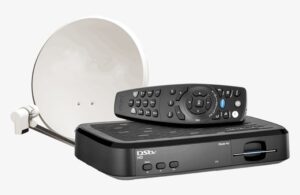
A homeowner has two compatible decoders, working reception and a bedroom close to the lounge.
The quotation should concentrate on any required cable work, connections, configuration and testing. Decoder supply should not appear as an expense unless the assessment identifies a reason to replace one.
This is the type of project where reusing suitable equipment can keep the upfront cost down.
Bedroom connection with a longer cable route
A household wants independent viewing in an upstairs bedroom, but the cable route must pass around part of the building.
The quote should explain the additional cable, the route and how it will be secured. Any requirement for trunking or difficult access should be included in the scope.
Comparing this price with a basic linking-only advertisement would not provide a fair comparison.
Upgrade alongside existing reception problems
A customer wants Extra View but also reports interruptions on the original television.
The installer should identify the existing fault before treating the additional decoder as the solution. The quotation should distinguish repairs from the new installation so the customer can understand both costs.
Combining the work may be convenient, but each part should remain clearly described.
Ways to Reduce Extra View Installation Costs
The most useful savings come from accurate preparation and avoiding unnecessary purchases.
Start by identifying your decoders. Send clear photographs of the model labels, the dish where safely visible and the intended viewing rooms. This gives the installer better information for an initial estimate.
Choose decoder positions before the visit. Moving equipment after cables have been installed can create additional work.
Reuse serviceable equipment where appropriate. At the same time, avoid insisting on keeping a damaged component simply to reduce the first quotation. A short-term saving can disappear if it causes another visit.
Compare quotations with the same scope. Check equipment, cable allowances, call-out charges and testing rather than selecting only the lowest headline figure.
Finally, separate essential installation work from optional improvements. Concealed wiring, additional television mounting and other finishing preferences should be priced clearly so you can decide what fits your budget.
Installation Preparation and Completion Checks
Preparation helps the technician work efficiently and makes the final result easier to assess.
Before the appointment, make the television and decoder locations accessible. Arrange building permission where required and ensure someone can approve any necessary changes to the agreed work.
Keep your DSTV account information available for authorised account assistance. Avoid sharing passwords unnecessarily.
At completion, ask the installer to demonstrate the viewing arrangement on every connected television. Test independent channel selection and confirm that the original viewing point continues to work.
Also inspect the cable finish. Check that the installation matches the agreed route and that any drilling or external cable entry points have been addressed as promised.
Retain the quotation, invoice and any written workmanship terms. These records make follow-up discussions easier if a problem develops.
Frequently Asked Questions
How much does DSTV Extra View installation cost in Cape Town in 2026?
Approximately R800 to R2,000 is a useful planning allowance for a typical Extra View installation. Basic work using existing compatible equipment may cost less, while new decoders, extensive cabling, receiving equipment upgrades and dish repairs can increase the total. Request a property-specific quotation before booking.
Is the monthly Extra View fee included in the installation price?
Do not assume it is included. Physical installation is a once-off service, while applicable DSTV access fees form part of the ongoing account charges. Confirm both the installation scope and the current monthly amount before accepting the quotation.
Can I use my existing satellite dish for Extra View?
Your existing dish may be reusable, subject to an assessment of its condition and the proposed installation. The installer should also check the receiving equipment, cables and decoder models. Adding Extra View does not automatically mean that the entire dish system must be replaced.
Can Extra View support three televisions showing different channels?
Extra View supports compatible arrangements of up to three linked decoders. For three independent viewing locations, confirm the complete decoder combination with DSTV or a suitably qualified installer. Do not assume that connecting three televisions to one decoder provides three separate channel choices.
Does Extra View require an internet connection?
Standard satellite Extra View viewing does not depend on a household internet connection. Internet-based services available through particular equipment are separate considerations. Explain which viewing features you want so the installer can distinguish satellite installation requirements from optional online functions.
Why is my Extra View quotation higher than an advertised starting price?
A starting price may cover limited labour with compatible equipment already in place. Your quotation may additionally include cables, hardware, repairs, difficult access or more viewing rooms. Request an itemised explanation and compare the complete scope before deciding whether the difference is justified.
Conclusion
DSTV Extra View installation in Cape Town in 2026 should be budgeted according to the work your home actually requires. Approximately R800 to R2,000 provides a useful starting allowance for a typical setup, but equipment purchases, repairs and complex cable routes can increase the price.
The main cost factors are decoder compatibility, the number of viewing rooms, existing equipment condition and installation access. Monthly DSTV access fees are separate from the physical installation and should be confirmed before proceeding.
A written, itemised quotation is the best way to understand the full cost. Confirm equipment, cabling, labour, testing and aftercare so you can choose an installation that meets your viewing needs and budget.
Get a Quote for DSTV Extra View Installation
Planning independent viewing in more rooms? Contact DSTV Installation and Repairs to discuss your Cape Town installation and request a quotation based on your equipment and property. Call +27780160090.