

DSTV installation for guesthouses and hotels in Cape Town in 2026 requires an appropriate business subscription, compatible equipment and a distribution system that delivers the agreed viewing experience throughout your property.
The installation cost depends on your room count, building layout, existing infrastructure and entertainment requirements. A small guesthouse with five televisions will need a different assessment from a hotel with several floors, a restaurant and shared lounges.
For accommodation businesses, reliable television supports guest comfort and reduces avoidable calls to reception. However, purchasing decoders without a clear installation plan can create unnecessary expenses and disappointing results.
This guide explains business package selection, equipment options, budgeting, installation preparation and maintenance so you can make informed decisions for your Cape Town accommodation.
Business Subscription Requirements for Guest Accommodation
Start by confirming the correct subscription for your establishment.
DSTV Business Stay packages are designed for in-room viewing at accommodation properties, including hotels, guesthouses and bed-and-breakfast establishments. Confirm the current package options and terms directly with DSTV before purchasing equipment.
Provide an accurate description of your business, including the number of rooms, televisions and shared viewing areas.
Do not assume that a residential subscription or household Extra View arrangement covers commercial guest accommodation. Business and residential services have different terms, and the approved arrangement should reflect how your property uses television.
Keep your subscription documents, account information and authorised contact details accessible to management. This makes billing enquiries, equipment changes and support requests easier to handle.
Matching Entertainment to Your Guests
Choose entertainment around your guests rather than selecting a package solely because it advertises more channels.
Business travellers may prioritise news and evening entertainment. Families may appreciate children’s programmes, while longer-stay guests may value a broader selection.
Review guest feedback and identify the content categories most relevant to your property. Then compare those priorities with the current business package offering.
Confirm specific channels before advertising them on booking platforms or promising them to guests. Channel availability and package details can change.
The television should also be easy to operate. Straightforward controls, an accurate channel guide and clear instructions often contribute more to a comfortable stay than complicated features that require staff assistance.
Television Distribution Options for Hotels and Guesthouses
The distribution design determines how programmes reach guest rooms and how guests select channels.
Suitability depends on the building, equipment compatibility and approved subscription arrangement. Ask the installer to explain the proposed system and demonstrate the intended viewing experience.
Installation approach | Potential application | Main advantage | Details to confirm |
Individual room decoders | Smaller properties or separate room installations | Direct decoder control in each room | Equipment security, power and maintenance access |
Centralised distribution | Properties managing equipment from one location | Less equipment inside guest rooms | Channel selection, picture quality and system capacity |
IP-based television distribution | Properties with suitable network infrastructure | Structured distribution across the building | Network requirements, compatibility and authorisation |
Existing system upgrade | Accommodation with usable infrastructure | Potential savings through equipment reuse | Condition, compatibility and expansion limitations |
Centralised distribution does not automatically provide unrestricted independent viewing. Confirm exactly what guests can select in each room before approving the design.
Site Assessment and Installation Planning
A site assessment helps establish the actual work required.
The installer should inspect the existing dish, cables, outlets, equipment positions and proposed television locations. Photographs can support an initial discussion, but they may not reveal hidden faults or access difficulties.
Prepare a room list or floor plan showing bedrooms, reception, dining areas and other viewing spaces.
Explain which rooms are occupied and identify areas where drilling, noise or visible cabling could affect guests.
For leased properties or managed developments, confirm permission for roof access and building alterations.
Ask the installer to distinguish reusable equipment from components requiring replacement. Recommendations should explain how each proposed change supports the agreed system.
Installation Costs and Budget Planning for 2026
There is no single installation price suitable for every Cape Town accommodation business.
The number of televisions matters, but cable distances, equipment choices, building access and existing faults also influence the quotation.
Avoid multiplying a basic household installation price by your room count. A hospitality system may involve shared equipment, specialist distribution and more extensive testing.
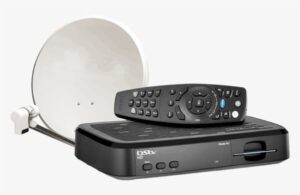
Separate your budget into installation, monthly subscription and ongoing support.
Cost category | What to confirm | Budget consideration |
Business subscription | Package, television count and billing basis | Verify current charges with DSTV |
Receiving equipment | Dish, mounting and associated components | Establish what can be reused |
Decoders or central equipment | Models, quantities and purpose | Match purchases to the design |
Distribution equipment | Components serving the rooms | Include the complete property |
Cabling | Length, connectors, outlets and finishing | Clarify additional cable charges |
Labour | Mounting, routing and configuration | Include difficult access |
Testing | Room checks and system demonstration | Define completion requirements |
Support | Call-outs, warranty and maintenance | Separate included and optional services |
Request VAT details and a written approval process for additional work. A clear quotation should identify essential equipment rather than rely on vague descriptions such as “complete hotel installation”.
Independent Viewing Across Guest Rooms
Independent channel selection should be specified at the beginning.
Guests in separate rooms may want different programmes simultaneously. Your quotation should explain how the proposed installation achieves this and any limitations affecting channel choice.
Connecting several televisions to one decoder output generally distributes that decoder’s selected programme. This differs from providing separate viewing choices.
Describe your expectations in practical terms, such as guests changing channels without affecting neighbouring rooms.
Ask how remotes will operate and whether equipment needs to remain visible.
For larger installations, request a written explanation of the viewing arrangement. This helps management assess the proposal without relying solely on technical equipment descriptions.
Bedrooms and Shared Viewing Areas
Guest bedrooms and public entertainment areas should be assessed separately.
A television in a bedroom serves an individual guest. A screen in a restaurant, bar or communal sports lounge may have a different purpose and require a different business package arrangement.
Declare every viewing location when discussing your subscription.
Also plan how shared televisions will be controlled. Identify the staff member responsible for channel selection and volume, especially during events.
Discuss screen placement so viewing does not interfere with dining, reception duties or nearby rooms.
Do not assume a package selected for bedrooms automatically covers every television elsewhere on the premises. Confirm the approved use before advertising public screenings or entertainment events.
Cabling, Picture Quality and Finishing
Cabling should support reliable viewing while preserving the appearance of your accommodation.
Agree on routes before installation begins. Options may involve existing conduits, accessible ceilings, external pathways or surface trunking.
Inspect existing television outlets rather than assuming every socket is connected and usable.
Ask the installer to explain the expected picture quality throughout the property. An HD television alone does not establish the quality of the complete signal path.
In guest rooms, position equipment neatly while retaining ventilation and maintenance access.
Label room connections and central equipment where practical. Clear identification can reduce confusion during repairs and future upgrades.
Confirm responsibility for drilling, sealing and any decorative repairs before accepting the quotation.
Cape Town Building and Outdoor Conditions
The property itself should guide installation decisions.
Older buildings may have limited cable routes or restrictions on alterations. Coastal properties may have exposed fittings requiring careful assessment. Separate cottages can introduce longer connections than a single-building guesthouse.
Ask the installer to inspect dish positioning, mounting stability, exposed cables and weather protection.
Replacement recommendations should follow the actual condition of the equipment.
Explain whether the property includes multiple buildings, upper floors or difficult roof access. These details affect preparation and may influence labour requirements.

Avoid comparing quotations based only on suburb names. Two properties in the same area can require substantially different installation work because of their layouts and existing infrastructure.
Equipment Security and Power Arrangements
Protect equipment without making servicing unnecessarily difficult.
Where central equipment is used, choose a secure, ventilated location with appropriate access. Avoid areas where components are likely to be moved, damaged or unplugged during routine work.
Ask the installer to identify every powered component needed for television service.
If your property uses backup power, establish which parts of the television system it supports. Powering guest televisions alone may not maintain service if shared receiving equipment is disconnected.
Discuss electrical protection and backup requirements with qualified professionals.
Label essential power connections and explain them to staff. This reduces accidental interruptions caused by equipment being unplugged for cleaning appliances or chargers.
Installation Scheduling Around Occupancy
Plan installation around the property’s operating schedule.
An occupied guesthouse may benefit from phased room access. During refurbishment, completing cable work before rooms reopen may simplify the project.
Agree on working hours, available rooms, roof access and expected interruptions to existing viewing.
Assign a staff contact who can provide access and approve changes.
Ask the installer to identify dependencies such as equipment delivery, permissions and subscription activation.
Do not promise guests a completion date before those requirements are confirmed.
Allow time for testing before a busy arrival period. Completing physical connections immediately before check-in leaves little opportunity to resolve faults or correct problems with controls and channel selection.
Testing and Staff Handover
Installation should end with a demonstration of the agreed result.
Check every room for picture, sound, remote operation and expected channel access. Where independent viewing is required, confirm that changing channels works as intended.
Inspect shared viewing areas separately.
Record outstanding issues by room number and agree on corrective action before final sign-off.
Request equipment details, warranty information, support contacts and basic operating instructions.
Staff should understand simple checks, including television inputs, remote batteries and visible power connections.
They should also know which settings to leave unchanged. Unnecessary resets or cable swapping can make diagnosis harder.
A short handover session can help reception and housekeeping teams respond confidently to routine guest enquiries.
Maintenance and Fault Reporting
Include television checks in room preparation.
Before guests arrive, staff can confirm that the screen switches on, the remote responds and the expected service is available.
Maintain a fault log with the room number, date, displayed message and whether other televisions are affected.
This information helps distinguish a room-specific problem from a wider interruption.
Agree on support terms before appointing an installer. Confirm service hours, call-out charges, response arrangements and exclusions.
Separate workmanship warranty cover from ongoing maintenance, since they may address different issues.
For larger properties, consider whether the support arrangement suits your operating needs. Clear reporting and documented responsibilities can make future repairs more efficient.
Expansion and Long-Term Value
Discuss planned growth during the assessment.
Additional rooms, separate cottages or new shared viewing spaces may affect equipment selection and cable planning.
Ask how the proposed system could accommodate expansion and which components would need upgrading.
Avoid purchasing unnecessary capacity without a clear explanation. The aim is practical preparation rather than spending on features your property may never use.
Compare long-term value through reliability, ease of use, maintainability and transparent support costs.
Television does not guarantee more bookings or stronger reviews. Its value comes from delivering the advertised amenity consistently.
Accurate descriptions, simple controls and dependable operation create a stronger guest experience than an impressive equipment list that proves difficult to manage.
Frequently Asked Questions
1. How much does hotel DSTV installation cost in Cape Town in 2026?
The price depends on room count, equipment, cable routes, distribution design and labour. Existing infrastructure may reduce some costs, while repairs or complex access can increase them. Request a site-specific quotation that separates installation, monthly subscription and optional maintenance.
2. Which DSTV package is suitable for guesthouses?
DSTV Business Stay is the starting point for in-room accommodation viewing. Confirm the current package options, channels and terms directly with DSTV. Explain all television locations, including shared areas, so the approved arrangement reflects your property’s actual use.
3. Can guests watch different channels in separate rooms?
Yes, independent viewing can form part of a suitable installation design. Specify this requirement before accepting the quotation. Ask the installer to explain channel selection clearly, because distributing one decoder’s output to several televisions does not automatically provide independent viewing.
4. Can existing dishes, cables and televisions be reused?
Some equipment may be reusable after inspection. Suitability depends on its condition, compatibility and the proposed system. Request a clear explanation of what can remain and why replacements are recommended. Existing sockets and cables should also be tested.
5. Does a guesthouse DSTV system require internet?
A conventional satellite arrangement does not necessarily require internet for live satellite viewing. IP-based distribution needs suitable network infrastructure, while online features may introduce separate connectivity requirements. Confirm the requirements of your proposed equipment and services before installation.
6. How long does installation take?
Timing depends on the property’s size, cable work, equipment availability, room access and activation arrangements. Request a schedule after assessment. For operating accommodation, agree on phased access and allow time for testing before promising the upgraded service to arriving guests.
Conclusion
DSTV installation for guesthouses and hotels in Cape Town in 2026 should begin with the correct business subscription and a clear viewing plan. Room count, building layout, equipment condition and shared spaces determine the installation scope.
A site assessment and itemised quotation help establish costs, while monthly subscriptions and maintenance should be budgeted separately. Careful cabling, suitable power arrangements, room-by-room testing and staff guidance support dependable operation.
Choose a system that meets guest expectations, fits your budget and remains practical to maintain and expand.

Book a DSTV Installation Assessment in Cape Town
Contact DSTV Installation and Repairs to discuss your hotel or guesthouse viewing requirements and request a property-specific quotation. Call +27780160090 to plan your installation or upgrade.