
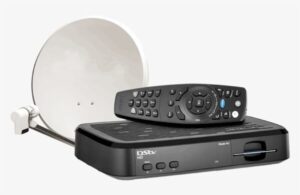
Yes, rain can damage a DStv dish by causing signal interference, dish misalignment, water damage to cables and connectors, and even failure of critical components like the LNB. If your DStv signal frequently disappears during or after rain, it may be time to have your satellite system inspected and repaired by a professional.
Many DStv users experience signal problems during storms and wonder whether rain can actually damage their satellite dish. While DStv dishes are designed to withstand outdoor weather conditions, heavy rain, strong winds, hail, lightning, and prolonged moisture exposure can all impact their performance and lead to costly repairs if left unattended.
In this complete guide, we’ll explain how rain affects a DStv dish, why signal loss occurs during bad weather, whether your LNB should be replaced after a storm, typical repair costs, and the warning signs that indicate your DStv system needs professional attention.
Can Heavy Rain Damage a DStv Dish?
Yes, heavy rain can damage a DStv dish, although the damage is often indirect rather than the rain physically destroying the dish itself.
A DStv dish is engineered to operate outdoors throughout the year. However, severe weather conditions can create several issues that affect signal reception and the overall performance of your satellite television system.
Common ways heavy rain can damage a DStv dish include:
Dish Misalignment
Strong winds accompanying storms can slightly move the dish from its original position. Since satellite dishes require precise alignment to receive signals from satellites in orbit, even a small shift can dramatically affect signal quality.
Many homeowners are surprised to learn that a movement of just a few millimeters can cause complete signal loss.
Water Damage to Connectors
Satellite dish cables and connectors are exposed to the elements year-round. Over time, rainwater can penetrate poorly sealed connections, leading to corrosion and signal disruption.
Corroded connectors often cause intermittent signal loss, poor picture quality, and complete service interruptions.
LNB Failure
The Low Noise Block Converter (LNB) is one of the most important components of a DStv installation. Positioned at the front of the dish arm, it receives satellite signals and sends them to your decoder.
If water enters the LNB or if lightning-related surges occur during storms, the LNB can fail completely.
Mounting Bracket Damage
Heavy winds and storms can loosen mounting bolts and brackets. A loose dish mount can lead to recurring alignment issues and unstable signal reception.
Physical Impact Damage
Storm debris such as tree branches, hailstones, and airborne objects can strike the dish and cause dents or structural damage that affects signal reflection.
Why Do I Lose Signal When It Rains?
If your DStv signal disappears during rainfall, you’re not alone.
One of the most common causes is something known as rain fade.
Rain fade occurs when water droplets absorb and scatter satellite signals as they travel between the satellite and your dish.
The heavier the rainfall, the greater the signal disruption.
How Rain Fade Works
Satellite signals travel thousands of kilometers through the atmosphere before reaching your DStv dish.
When heavy rain forms a dense layer of moisture between the satellite and your dish, some of the signal strength is absorbed before reaching the receiver.
This can result in:
- Frozen pictures
- Pixelated images
- Audio interruptions
- Complete signal loss
Other Reasons Signal Disappears During Rain
Poor Dish Alignment
A properly aligned dish has enough signal margin to withstand moderate weather interference.
If your dish is slightly out of alignment, even light rain can cause signal loss.
Faulty LNB
An aging or damaged LNB may struggle to receive weaker signals during poor weather conditions.
Water-Damaged Cables
Moisture entering cable connections can weaken signal transmission and make weather-related problems worse.
Obstructions
Wet tree branches and vegetation can absorb more satellite signal than dry foliage, creating additional interference.
Low-Quality Installation
Poorly installed dishes often experience signal problems long before properly installed systems.
Signs You Need DStv Dish Repairs
Storm damage isn’t always obvious. In many cases, problems develop gradually over time as your DStv dish and its components are exposed to rain, wind, moisture, and changing weather conditions. Ignoring early warning signs can lead to complete signal loss and more expensive repairs later. If you’re experiencing any of the following issues, it may be time to have your DStv system professionally inspected and repaired.
Frequent Signal Loss
One of the most common signs of a problem is frequent signal loss. If your decoder regularly displays signal error messages or channels disappear unexpectedly, there may be an issue with your dish alignment, LNB, cables, or connectors. While occasional interruptions during severe weather are normal, recurring signal loss often indicates an underlying fault that needs attention.
Pixelated Channels
When television pictures become blurry, freeze, or break into small squares, this is known as pixelation. Pixelated channels usually occur when signal quality is weak or unstable. This can be caused by a misaligned dish, damaged cables, faulty connectors, or a failing LNB.
Missing Channels
If certain channels suddenly disappear while others continue working normally, your LNB may be deteriorating or malfunctioning. Missing channels are often one of the first signs that a component within your satellite system is beginning to fail.
Signal Loss After Every Storm
If your DStv signal consistently disappears after heavy rain, strong winds, or thunderstorms, storm-related damage may be affecting your installation. Wind can shift the dish out of alignment, while moisture can damage cables and electronic components.
Visible Rust
Rust on cable connectors, mounting brackets, or support poles is a clear indication of prolonged moisture exposure. Corrosion can interfere with signal transmission and weaken the structural integrity of your DStv installation.
Loose Dish Structure
A dish that wobbles, vibrates, or shifts position during windy conditions requires immediate attention. Even slight movement can affect signal reception and eventually lead to complete signal failure.
Cracked LNB Housing
The LNB is designed to withstand outdoor conditions, but cracks in its protective housing allow water to enter sensitive electronic components. Moisture intrusion can cause intermittent signal issues and eventual LNB failure.
Poor Signal Readings
Consistently low signal strength or poor signal quality readings on your decoder often indicate a hidden issue with the dish, cables, connectors, or LNB. A professional inspection can quickly identify the source of the problem and restore reliable DStv reception.
Common DStv Storm Damage Problems and Solutions
Problem | Cause | Symptoms | Solution |
Signal Loss | Rain Fade | Temporary channel loss | Wait for storm to pass |
Misaligned Dish | Strong Winds | Low signal quality | Dish realignment |
Faulty LNB | Water Damage | Missing channels | LNB replacement |
Damaged Cable | Moisture Ingress | Picture freezing | Cable replacement |
Corroded Connector | Rain Exposure | Intermittent signal | Connector replacement |
Loose Brackets | Storm Damage | Dish movement | Mount repair |
Physical Dish Damage | Falling Debris | No signal | Dish replacement |
Should I Replace My LNB After a Storm?
Not necessarily. While storms are one of the leading causes of LNB failure, replacement should only occur after proper testing confirms the unit is defective.
What Is an LNB?
The LNB (Low Noise Block Converter) sits at the end of your dish arm.
Its role is to receive satellite signals and convert them into frequencies your decoder can understand.
Without a functioning LNB, your DStv system cannot operate.
Signs Your LNB Needs Replacing
You may need a new LNB if:
- Signal disappeared immediately after a storm
- Some channels are missing
- Signal strength fluctuates constantly
- Water is visible inside the LNB cover
- The casing is cracked
- Realignment doesn’t solve the problem
How Long Does an LNB Last?
A quality LNB typically lasts between 5 and 10 years.
However, exposure to harsh weather, heat, moisture, and lightning can shorten its lifespan significantly.
How Much Does Storm Damage Repair Cost?
The cost of DStv storm damage repairs depends on the type and extent of the damage. Minor repairs are generally affordable, while complete replacements can cost more.
Factors affecting repair costs include:
- Severity of storm damage
- Parts required
- Accessibility of installation
- Labour charges
- Type of DStv setup
Typical Repairs Required After Storms
Dish Realignment
One of the most common and affordable repairs.
LNB Replacement
Necessary when the LNB has failed due to water or lightning damage.
Cable Replacement
Damaged or waterlogged cables often require replacement.
Connector Repairs
Replacing corroded connectors can significantly improve signal quality.
Mounting Repairs
Loose brackets and supports should be repaired promptly.
Complete Dish Replacement
Required if the dish has sustained severe physical damage.
How to Protect Your DStv Dish From Rain Damage
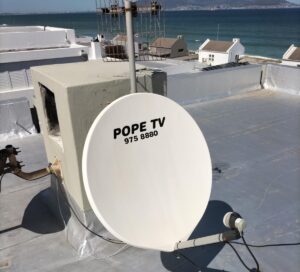
Preventative maintenance is one of the best ways to protect your DStv dish from rain damage and ensure uninterrupted satellite TV viewing throughout the year. While DStv dishes are designed to withstand outdoor conditions, exposure to heavy rain, strong winds, hail, and moisture can gradually affect performance. Taking proactive steps can help extend the lifespan of your satellite system, reduce repair costs, and minimize signal interruptions during bad weather.
Schedule Regular Inspections
Regular professional inspections can identify potential issues before they turn into costly repairs. A technician can check for loose components, early signs of corrosion, damaged cables, and declining signal strength. Routine maintenance helps ensure your DStv dish remains properly aligned and operating at peak performance, especially before the rainy season begins.
Secure Mounting Hardware
Strong winds often accompany heavy rain and storms. Over time, bolts, brackets, and mounting poles can loosen due to weather exposure. Regularly checking and tightening mounting hardware helps keep your DStv dish stable and correctly aligned, reducing the risk of signal loss caused by movement during storms.
Waterproof Connections
Moisture entering cable connections is one of the leading causes of DStv signal problems. Using weatherproof connectors and protective sealing materials helps prevent water intrusion, corrosion, and electrical interference. Properly sealed connections can significantly improve the reliability of your satellite system during wet weather.
Trim Nearby Trees
Overhanging branches and nearby trees can become a hazard during storms. Strong winds may cause branches to fall and damage your DStv dish, cables, or mounting structure. Keeping trees trimmed also helps maintain a clear line of sight between the satellite and your dish, improving signal reception.
Replace Aging Components
As DStv equipment ages, components such as LNBs, cables, and connectors become more vulnerable to weather-related damage. Replacing worn or outdated parts before they fail can prevent unexpected signal interruptions and costly emergency repairs.
Choose Professional Installation
A professionally installed DStv dish is more likely to withstand harsh weather conditions. Proper alignment, secure mounting, quality materials, and expert workmanship provide greater protection against rain damage and help ensure consistent signal quality year-round.
Signs Your DStv System Needs Immediate Attention
Warning Sign | Severity | Recommended Action |
Signal Loss During Light Rain | High | Professional Inspection |
Pixelated Channels | Medium | Check Signal Strength |
Missing Channels | High | Test LNB |
Rusty Connectors | Medium | Replace Connectors |
Cracked LNB | High | Replace LNB |
Loose Dish | High | Realign and Secure |
Decoder Error Messages | Medium | System Inspection |
No Signal After Storm | High | Immediate Repair |
When Should You Call a Professional?
While some homeowners attempt DIY fixes, professional assistance is recommended if:
- Your dish is mounted on a roof
- Signal problems continue after the weather clears
- The LNB appears damaged
- You notice water inside cables
- The dish has shifted position
- Signal strength remains low
A professional technician has specialized equipment that accurately measures signal strength and identifies hidden faults.
Frequently Asked Questions
1. Can lightning damage a DStv dish?
Yes. Lightning can damage a DStv dish system either directly or indirectly through electrical surges. Even if lightning does not strike the dish itself, a nearby strike can send a powerful surge through connected cables and electrical systems. This can damage important components such as the LNB, decoder, cables, and power supply units. In severe cases, the entire DStv installation may need repairs or replacement. Using surge protectors and disconnecting electronic devices during severe thunderstorms can help reduce the risk of lightning-related damage.
2. Why does my DStv lose signal even when it rains lightly?
If your DStv signal disappears during light rainfall, it is usually a sign of an underlying problem rather than normal rain fade. Common causes include a misaligned satellite dish, a faulty or aging LNB, damaged cables, corroded connectors, or poor installation. A properly installed and aligned DStv dish should be able to maintain a stable signal during light to moderate rain. Professional testing can help identify the exact cause and restore reliable signal reception.
3. Can rain permanently damage a satellite dish?
Rain alone rarely causes permanent damage to the metal dish itself. However, prolonged exposure to moisture can lead to rust, corrosion, water entering cable connections, and damage to electronic components such as the LNB. Over time, these issues can significantly affect signal quality and system performance. Regular maintenance and waterproofing can help prevent long-term weather-related damage.
4. How do I know if my DStv dish is misaligned?
Several warning signs may indicate that your DStv dish is no longer properly aligned. These include pixelated pictures, missing channels, poor signal quality, intermittent signal loss, and complete loss of service after strong winds or storms. Because satellite dishes require precise positioning, even a slight movement can reduce signal strength. A professional technician can accurately realign the dish and optimize signal reception.
5. How often should a DStv dish be serviced?
Most satellite TV experts recommend having your DStv system professionally inspected every one to two years. Homes located in areas that experience frequent storms, heavy rainfall, or strong winds may benefit from more frequent inspections. Regular servicing helps identify worn cables, loose brackets, deteriorating connectors, and other issues before they lead to signal failure or costly repairs.
6. Can I repair my DStv dish myself?
While homeowners can perform basic visual inspections, most DStv repairs require specialized tools and technical knowledge. Tasks such as dish alignment, signal testing, cable replacement, and LNB installation are best handled by trained technicians. Attempting complex repairs without the proper equipment can worsen the problem or even damage the system further. Professional repairs ensure the dish is correctly configured for optimal performance.
7. How long does a DStv dish last?
A high-quality DStv dish can typically last between 10 and 15 years or even longer when properly maintained. However, certain components such as the LNB, cables, connectors, and mounting hardware may require replacement sooner due to exposure to weather conditions. Regular maintenance can significantly extend the lifespan of the entire system and reduce the likelihood of unexpected failures.
8. Does hail damage DStv dishes?
Yes. Severe hailstorms can damage DStv dishes by denting the reflector surface, cracking the LNB housing, loosening mounting brackets, or damaging exposed cables. Even minor physical damage can affect signal reflection and reception quality. After a major hailstorm, it is advisable to inspect your DStv installation for visible damage and have it professionally assessed if you experience signal problems afterward.
Conclusion
Yes, rain can damage a DSTV dish and negatively affect your television viewing experience. While temporary signal loss during heavy rain is often caused by rain fade, ongoing problems after a storm may indicate more serious issues such as dish misalignment, water-damaged cables, corroded connectors, loose mounting hardware, or a faulty LNB. Recognizing the warning signs early can help prevent complete signal failure and more expensive repairs. Regular maintenance, professional inspections, and timely repairs will ensure your DStv system continues to deliver reliable entertainment regardless of the weather.
Need Professional DStv Repairs? Contact Gentle Pools Today
If your DSTV signal disappears every time it rains, your channels are freezing, or your dish has been damaged by a recent storm, don’t wait for the problem to get worse.
At DSTV Installation and Repairs, we provide reliable DSTV installation, maintenance, fault-finding, dish alignment, LNB replacement, cable repairs, and complete storm damage restoration services. Our experienced technicians are equipped to diagnose signal issues quickly and restore your viewing experience with minimal downtime.
Whether you’re experiencing intermittent signal loss, poor picture quality, missing channels, or complete service interruptions, our team is ready to help.
Contact DSTV Installation and Repairs today for professional DStv repairs, expert advice, and fast service you can trust.